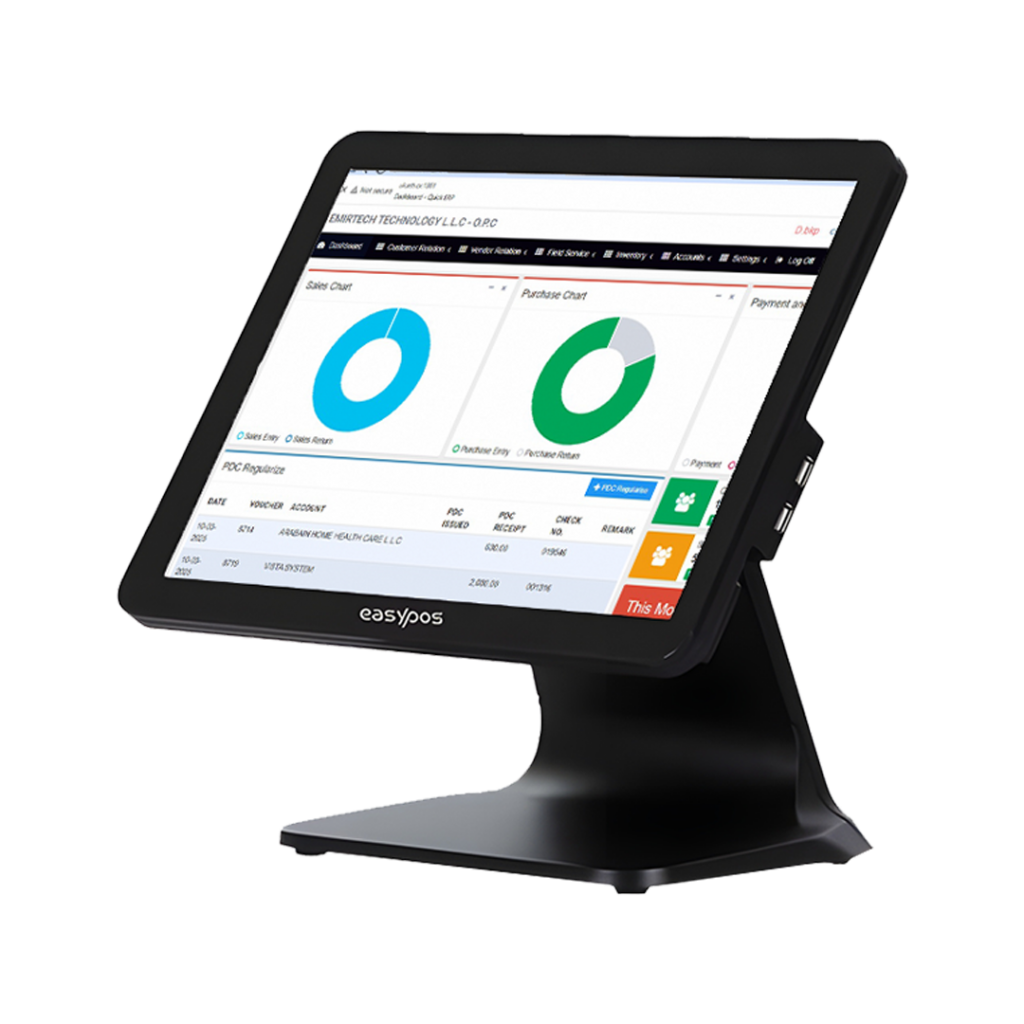
Cloud-Based vs. Traditional POS Systems: Which One is Right for Your Business?
In today’s fast-paced and tech-driven business world, choosing the right Point-of-Sale (POS) system is more critical than ever. Whether you’re running a retail store, a restaurant, or a service business, your POS system is the heart of your operations—managing sales, tracking inventory, and connecting with customers.
When it comes to POS systems, the two primary options are cloud-based and traditional on-premise systems. Each comes with its own set of advantages and limitations. Understanding the difference can help you make an informed decision that aligns with your business goals and operations.
What is a Cloud-Based POS System?
A cloud-based POS system operates using internet connectivity, with data stored on remote servers maintained by a third-party provider. It typically runs on tablets, smartphones, or computers and is accessible from anywhere with an internet connection.
Pros of Cloud-Based POS Systems:
✅ Remote Access:
Manage your business anytime, anywhere. Great for multi-location businesses or owners who are frequently on the move.
✅ Low Upfront Costs:
Most cloud POS providers offer subscription-based pricing, minimizing the initial investment in hardware and software.
✅ Automatic Updates & Backups:
Software updates, security patches, and data backups are handled automatically by the provider, reducing IT overhead.
✅ Scalability:
Adding new locations or POS terminals is straightforward—ideal for growing businesses.
✅ Easy Integrations:
Seamlessly connect with accounting software, CRM tools, loyalty programs, and eCommerce platforms.
Cons of Cloud-Based POS Systems:
⚠️ Internet Dependency:
A reliable internet connection is essential. While some systems offer offline modes, core features may be limited during outages.
⚠️ Ongoing Subscription Fees:
Recurring monthly or annual fees can add up over time.
⚠️ Data Privacy Concerns:
Since your business data is stored off-site, you must rely on your provider’s security protocols.
⚠️ Limited Customization:
Some systems may lack advanced customization options compared to in-house solutions.
What is a Traditional On-Premise POS System?
A traditional POS system is installed locally on your business premises, with data stored on your own servers. These systems typically require specific hardware and IT setup.
Pros of Traditional On-Premise POS Systems:
✅ Full Control:
You own and manage both the hardware and data. No reliance on third-party servers.
✅ Highly Customizable:
Tailored to your specific business needs with advanced configuration options.
✅ Works Without Internet:
Perfect for businesses in areas with unreliable internet connectivity.
✅ One-Time Payment:
Usually involves a one-time license fee, which can be more cost-effective over the long term.
Cons of Traditional On-Premise POS Systems:
⚠️ High Upfront Costs:
Requires significant investment in hardware, licensing, and installation.
⚠️ Maintenance Burden:
You are responsible for software updates, backups, and tech support—often requiring in-house or outsourced IT support.
⚠️ Limited Remote Access:
Access is generally limited to the physical location unless remote solutions are custom-configured.
⚠️ Challenging to Scale:
Expanding to new locations or adding features may require extensive technical changes and cost.